Car Overheating Help: What to Do Immediately (and What Not to Do)
An overheating warning can turn a normal drive into panic fast — steam, a temperature light, and the fear you’ve just cooked the engine. The good news: the right actions in the first few minutes can prevent expensive damage. This guide covers exactly what to do, what not to do, and when you should stop and arrange recovery.
Quick takeaway: If your temperature warning comes on or the gauge shoots up, reduce load and stop somewhere safe as soon as you can. Turn the engine off, let it cool, and never open a hot coolant cap. If it overheats again quickly after cooling, don’t drive it — arrange recovery.
Signs your car is overheating
Different cars warn you in different ways. If you see any of these, treat it seriously:
- Temperature warning light(red/amber thermometer icon)
- Temperature gauge climbing towards the red
- Steam(often from the bonnet/engine bay)
- Sweet smell(coolant) or visible coolant spray
- Loss of power or rough running
- Heater blows cold even when set to hot (can be a clue of low coolant)
Step 1: Reduce load immediately (while still moving)
If you’re driving and the warning appears, your goal is to reduce heat generation and find a safe place to stop.
Do this right away
Ease off the accelerator, keep speed steady, and avoid hard acceleration or hills if you can. Turn off A/C and anything that adds load.
Heater trick (temporary)
If you need a short window to reach a safe stopping point, set the heater to HOT and fan to HIGH. It can pull some heat away from the engine — but it’s not a “fix”, just a short-term help.
Don’t push it
If the gauge hits the red, you see heavy steam, or you get a red “STOP” style warning, get off the road and stop as soon as it’s safe.
Step 2: Stop safely and cool down properly
Once you’re stopped somewhere safe, do this in order:
- Hazards on and position the car safely away from traffic.
- Turn the engine off(unless your car manual advises otherwise for a specific warning).
- Open the bonnet carefully if it’s safe to do so — this helps heat escape.
- Step back and let it cool. Keep people away from the front of the car if steam is present.
Critical safety rule: never open the coolant expansion tank/radiator cap when hot. Hot coolant is under pressure and can spray out and cause serious burns.
Step 3: Quick checks you can do once it has cooled
Only do checks if you’re in a safe location and the car has cooled down. You’re not diagnosing like a mechanic — you’re looking for obvious “don’t drive” signs.
- Visible leaks: puddles/drips under the front of the car (especially coolant).
- Low coolant level: check the translucent expansion tank level indicator (only when cool).
- Broken hose / spray marks: dried coolant residue or wet splatter around the engine bay.
- Fan behaviour: some fans run after shutdown — that can be normal. No fan doesn’t always mean fault.
Can you drive after overheating? (sometimes — but be strict)
The safe answer is: only drive if the cause seems minor and the car stays stable. If it overheats again quickly, don’t risk it.
You might be able to drive carefully if…
The warning clears after cooling, there are no obvious leaks, and the temperature stays normal on a short, gentle test. Keep the heater on warm and watch the gauge.
You should NOT drive if…
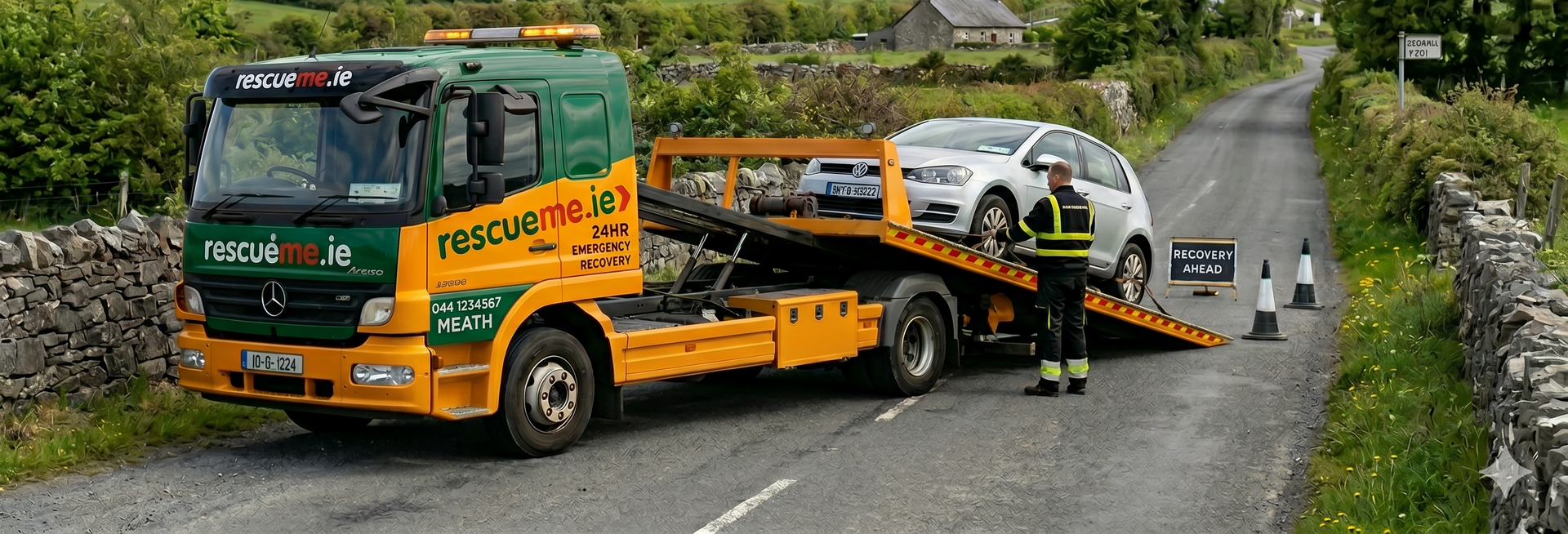
The warning returns quickly, the gauge climbs again, there’s heavy steam, a visible leak, or the car is running poorly. Arrange towing/recovery.
What not to do (the common mistakes)
“I’ll just keep driving to get home.”
Overheating can warp cylinder heads and damage the engine. If it’s overheating, the safest plan is to stop and cool down.
“I’ll open the coolant cap to check.”
Never open the coolant cap while hot. Wait until it’s fully cooled.
“A bit of steam is fine.”
Steam can indicate coolant loss or pressure issues. Treat it as a serious warning until proven otherwise.
Quick “car overheating” checklist (save this)
- Reduce load: ease off, A/C off, avoid hills if possible.
- Find a safe stop: hazards on, pull into a safer area.
- Engine off: open bonnet carefully and let it cool.
- Never open coolant cap hot(burn risk).
- If it overheats again quickly: don’t drive — arrange recovery.
Final word
Overheating is one of those problems where calm decisions save money. Stop safely, cool down properly, and don’t gamble by driving if the warning returns. If you’re unsure, it’s always safer to arrange help than risk engine damage.