How the Age of Your Car Affects Safety on the Road

Ever heard someone say, “Ah, she’s old, but she’ll do!” when talking about their car?
It’s a phrase you hear all the time in Ireland — and sure, plenty of older motors are still running strong. But when it comes to safety, time really does matter.
Whether you’re driving a brand-new SUV or a trusty 15-year-old hatchback, it’s worth asking yourself: what time is it for your car?
⏰ The Age Factor
Cars age like anything else — and while maintenance keeps them going, the safety technology and build quality have come a long way in the last decade.
Older cars might still pass the NCT, but that doesn’t mean they’re as safe as newer models.
Here’s why 👇
🛑 1. Crash Protection Has Evolved
Modern cars are designed to crumple intelligently. That means the car absorbs most of the impact in a crash, not you.
Older vehicles were built tougher — but that actually meant more force reached the driver and passengers.
Newer models come with:
- Advanced airbags (front, side, curtain)
- Stronger passenger cages
- Crumple zones that absorb collision energy
In short: today’s cars are built to sacrifice themselves to save you.
💡 2. Smart Tech Saves Lives
Technology has changed the game.
Modern safety features include:
- ABS (Anti-lock Braking System) – helps prevent skidding
- ESC (Electronic Stability Control) – keeps the car steady during sudden turns
- Lane assist and blind spot alerts – stop sneaky surprises
- Automatic emergency braking – reacts faster than any human could
Older cars might lack these life-saving features — meaning you have to rely entirely on your reactions and skill.
🔋 3. Wear and Tear Adds Up
Even the best-kept older cars have ageing parts.
Rubber seals, suspension components, brake lines, and electronics all deteriorate with time — and that can quietly affect handling, braking, and visibility.
Add in faded headlights, worn tyres, or outdated seatbelt tensioners, and you’ve got a recipe for risk, especially on long or wet drives.
🔧 4. Maintenance Becomes More Critical
Driving an older car safely is all about
vigilance.
Stay on top of:
- Brake checks
- Tyre tread and pressure
- Oil and fluid levels
- Rust spots (especially underneath)
And if something doesn’t feel right — don’t ignore it. It’s cheaper to fix a small issue now than to face a breakdown or worse later.
🚨 5. If You Do Break Down…
Older cars are naturally more prone to roadside hiccups.
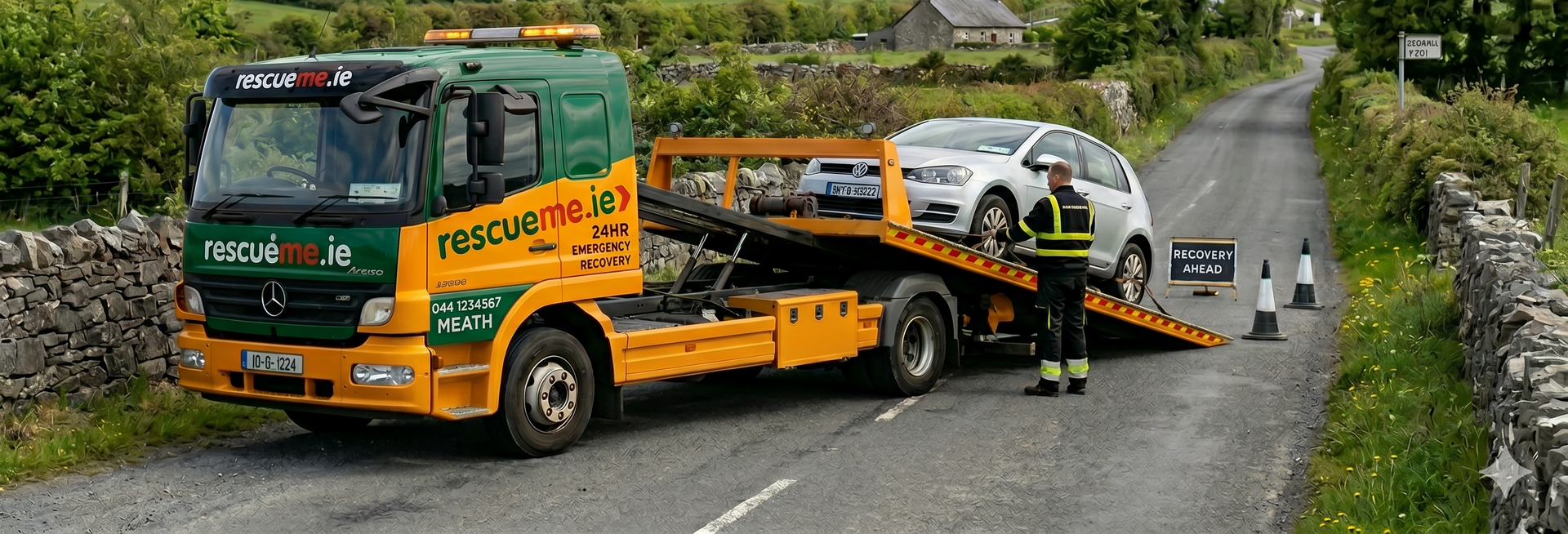
If that happens, pull over safely, turn on your hazard lights, and call for help.
With Rescueme.ie, you can connect instantly to trusted local recovery operators anywhere in Ireland — no waiting around, no stress, and no wondering who to call.
✅ The Bottom Line
There’s no shame in driving an older car — plenty of us do.
But it’s important to recognise the safety gap between old and new, and drive accordingly.
So, the next time you turn the key, ask yourself:
What time is it for my car?
If the answer is “a bit behind,” maybe it’s time to drive smarter, not just longer.